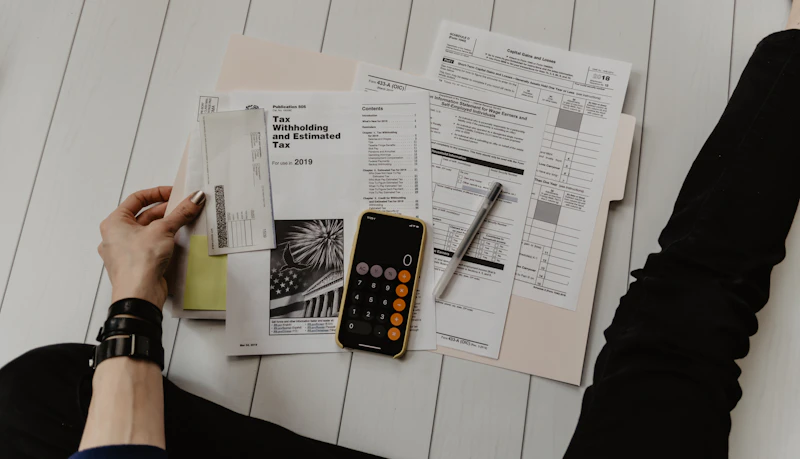
Most people have tried to budget at some point. And most gave up within a fortnight. Not because they lacked discipline — but because they used the wrong method.
A budget is not a cage. It is a map. The difference is enormous: a cage tells you what you cannot do; a map shows you where you are going.
Why most budgets fail
The most common mistake is trying to track every penny. Creating categories for every conceivable expense, logging every coffee, every parking charge, every impulse buy. It feels rigorous at first. In practice, it is unsustainable — and the first month you forget to log something, the whole system collapses.
The second mistake is treating the budget as punishment. Cutting everything enjoyable, living on the bare minimum, feeling guilty about every "unnecessary" purchase. This model generates resistance, not change.
A budget that works needs to be simple, realistic, and leave room for you to actually live your life.
The 50/30/20 method — the ideal starting point
The 50/30/20 method, popularised by Elizabeth Warren, divides your take-home income into three broad categories:
- 50% — Needs: rent/mortgage, food, transport, utilities, insurance, healthcare. Everything you need to function.
- 30% — Wants: restaurants, entertainment, travel, subscriptions, clothing, hobbies. What you choose to spend.
- 20% — Savings and investing: emergency fund, extra debt payments, investments. Your future.
The percentages are a guide, not a law. If you live in an expensive city and rent takes 40% of your income, you do not collapse — you adjust. What matters is having a system.
Step by step: create your budget today
1. Calculate your monthly take-home income
What lands in your account after tax and deductions. If your income varies (freelance, commission-based), use the average of the last three months as a baseline.
2. List all fixed expenses
Rent, loan repayments, insurance, subscriptions, gym. These are the amounts that leave your account every month regardless of what you do. Add them up.
3. Estimate variable expenses
Food, fuel, restaurants, entertainment. If you are unsure, review your last two months of bank statements — most people are surprised by what they find.
4. Apply the 50/30/20 rule
Multiply your take-home income by 0.50, 0.30 and 0.20. Compare these figures against what you actually spend in each category. This exercise alone changes the way you see money.
5. Automate your savings
The most important rule: pay yourself first. As soon as your salary arrives, set up an automatic transfer of the 20% to a separate account. What you do not see, you do not spend.
Take-home income: €2,000/month
Needs (50%): €1,000 — rent €700, food €180, transport €120
Wants (30%): €600 — restaurants €200, entertainment €150, clothing €150, subscriptions €100
Savings (20%): €400 — emergency fund €200, investing €200
The most common mistakes — and how to avoid them
Not accounting for annual expenses. Car insurance, tax returns, maintenance. Divide them by 12 and include them monthly — they are real costs, even if they do not appear every month.
Ignoring small recurring expenses. Two coffees a day is €60/month. A forgotten subscription is €10/month for years. Small and frequent adds up faster than it seems.
Being too rigid. If you go over budget one month, that is not failure — it is information. Adjust and continue.
Which tool should you use?
The best tool is the one you will actually use. For most people, a simple spreadsheet or even a piece of paper is enough to start. Apps like YNAB, Money Dashboard or Emma can also categorise expenses automatically — useful once you have the habit in place.
The tool is not what matters. What matters is the habit of looking at your finances at least once a week.
Apply what you just read with these free calculators:
Part II of the book dedicates a full chapter to budgeting
With real-life examples, practical templates and strategies for different situations — including couples with different incomes and freelancers with variable earnings.
See the book → Available on Amazon from €4.99